culture
Luxembourg Transforms Medieval Fortress Into Europe's Contemporary Arts Hub
The Grand Duchy's cultural institutions have transformed over two decades, turning a small European capital into a destination for contemporary art, music, and heritage preservation.
How we reported this
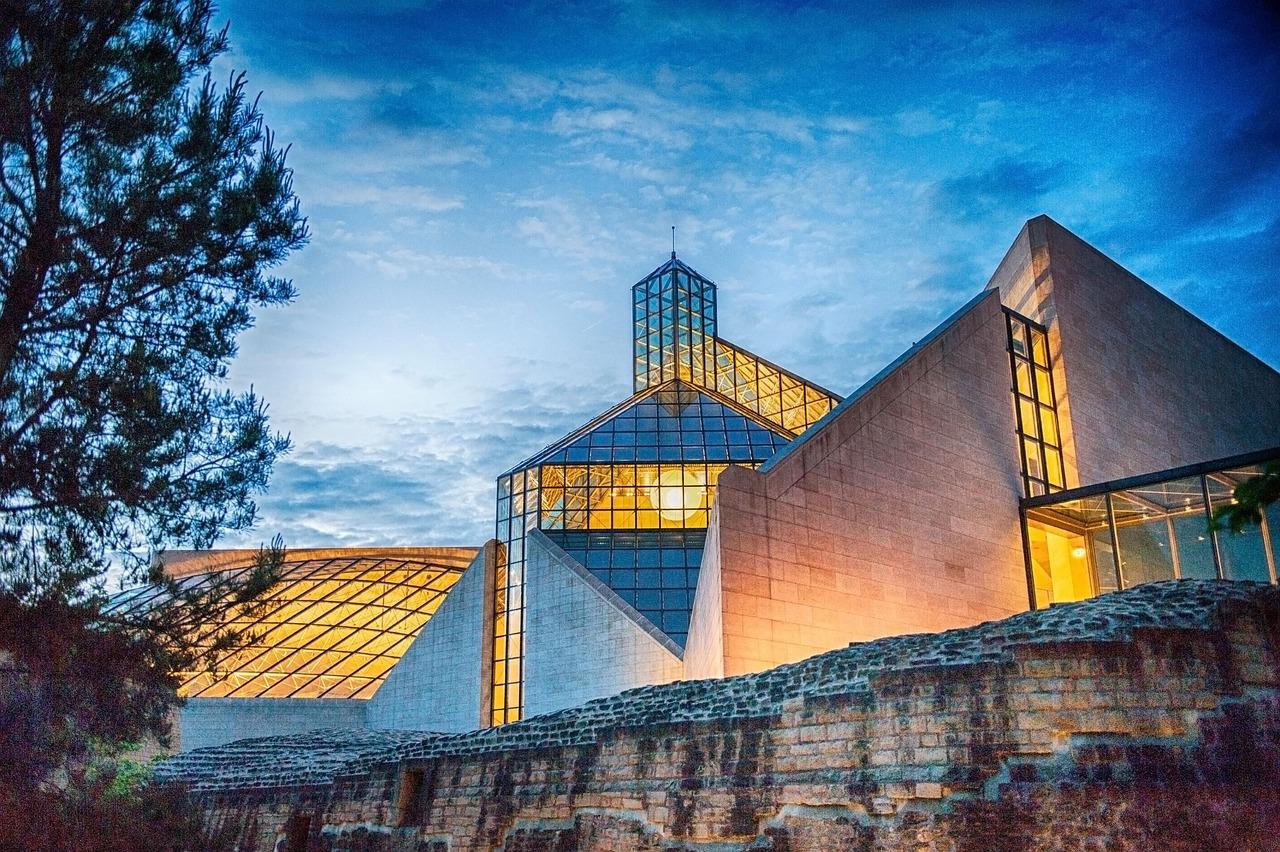
Luxembourg's cultural landscape looks nothing like it did in 2004. Twenty-two years ago, the Grand Duchy had a handful of respected museums and a limited roster of galleries. Today, the city hosts more than 140 museums and cultural venues, draws international artists to residencies each year, and has anchored itself as a serious player in continental European culture-a trajectory that accelerated sharply after the opening of the Mudam contemporary art museum in 2006.
The timing matters now. As Europe faces climate pressures that have forced festivals and outdoor cultural events across the continent to adapt programming, Luxembourg's cultural institutions are reckoning with their own operational footprint while positioning themselves as models for sustainable practice. The heatwaves ravaging France and threatening broader European summers have prompted cultural leaders here to rethink energy consumption and visitor flow in physical spaces.
The Institutions That Reshaped the City
Mudam, located in the Kirchberg district on Rue des Hauts-Fourneaux, fundamentally altered Luxembourg's cultural equation. The contemporary art museum cost €37 million to build and was designed by Chinese-American architect I.M. Pei. When it opened, it signaled that Luxembourg could compete with larger neighbors. The institution now receives roughly 60,000 visitors annually and operates an artist residency program that has hosted creators from 40 countries.
Parallel to Mudam's rise came the expansion of the Philharmonie Luxembourg, which opened its doors in 2005 at Place de l'Europe in Kirchberg. The concert hall seats 1,500 and has become the primary venue for orchestral performance in the region. Over the past two decades, the Philharmonie evolved from hosting mostly classical programming to commissioning new works and hosting jazz festivals, electronic music events, and cross-genre collaborations.
The older institutions adapted rather than disappeared. The Musée de la Ville de Luxembourg, housed in the historic Old Town's medieval Four Towers structure on Rue Wilhelm, maintained its role as keeper of local heritage while modernizing its exhibition approach. Similarly, the Musée National de l'Histoire et de l'Art expanded its collections and shifted from a purely antiquarian mission toward contemporary contextualization of historical objects.
Numbers Tell a Story of Investment and Audience Growth
The cultural sector's growth mirrors Luxembourg's economic boom. Between 2010 and 2024, public funding for cultural programming increased by 34 percent, according to the Grand Duchy's Ministry of Culture. Museum attendance across all venues reached 1.2 million visits in 2024-a per-capita figure that ranks among Europe's highest, given Luxembourg's population of around 660,000 residents.
Ticket prices have remained relatively accessible. A standard adult admission to Mudam costs €8, while the Philharmonie's orchestra concerts typically run €25 to €65 depending on seating. The Musée de la Ville charges €6 for entry. This pricing strategy has kept cultural participation broad rather than elitist, a deliberate policy choice that distinguishes Luxembourg from some larger European capitals where museum fees have climbed sharply.
The visual arts scene beyond major institutions has also matured. Gallery districts in the Old Town and around Avenue de la Liberté now house roughly 30 commercial galleries showing both established and emerging artists. The Galerie Aline Vidal and Galerie Vivendi, both located within walking distance of the cathedral, represent the shift toward contemporary practice while maintaining connections to Luxembourg's artistic heritage.
What happens next will depend partly on decisions about sustainability and accessibility. The Philharmonie's administration has begun auditing energy use in response to grid pressures during summer months. Several museums are exploring extended evening hours and off-season programming to smooth visitor distribution and reduce peak-load infrastructure demand.
For residents and visitors, the practical takeaway is simple: Luxembourg's cultural infrastructure is no longer a secondary stop on a European tour. It's a destination on its own terms, built through deliberate institutional investment, public funding, and a willingness to blend heritage preservation with contemporary artistic ambition. That wasn't true two decades ago.